

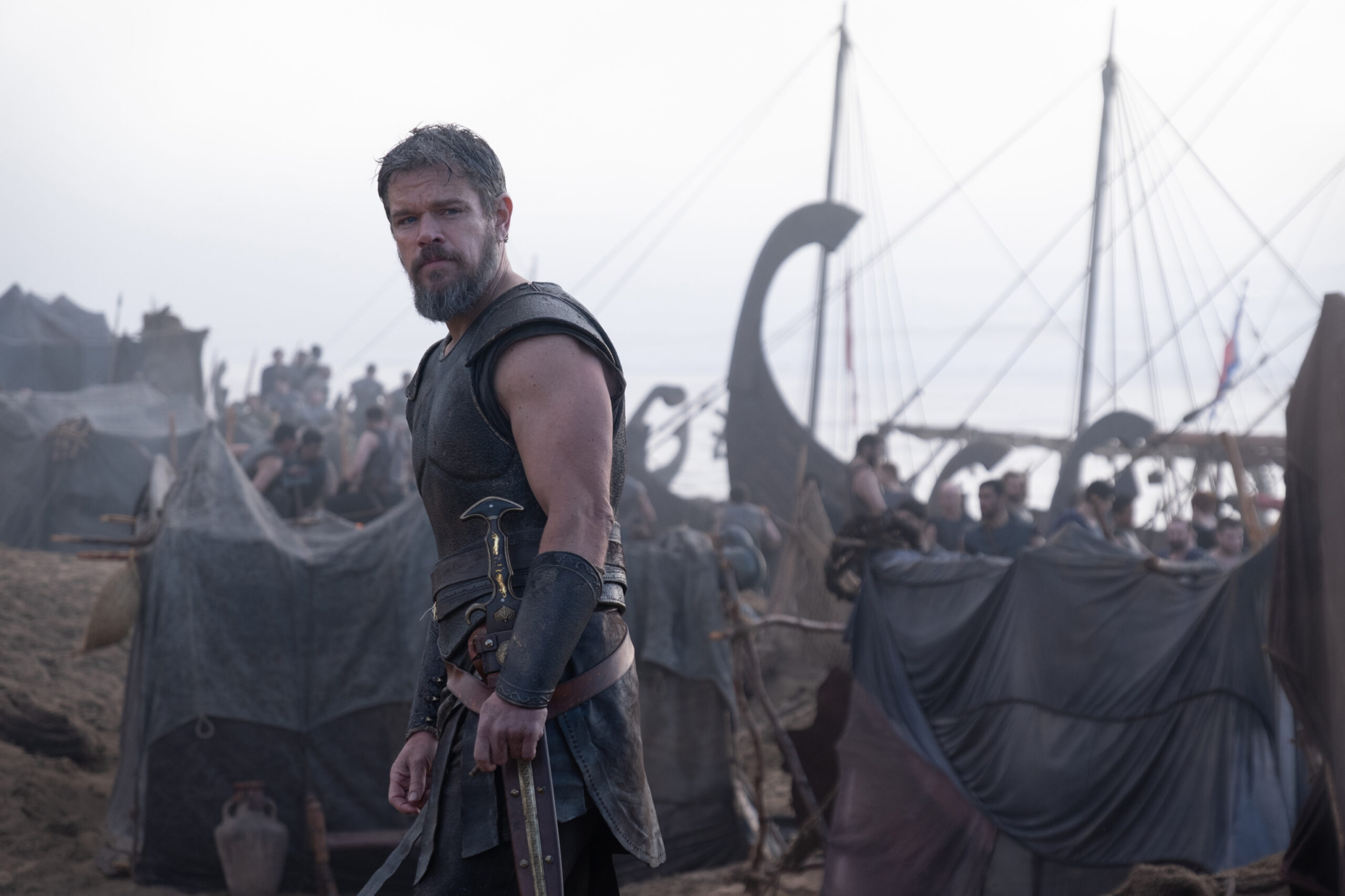
Based on Homer’s epic poem of the same name, The Odyssey tells the story of Odysseus (Matt Damon), king of Ithaca, who has been away for 20 years fighting in the Trojan War. His wife, Penelope (Anne Hathaway) and their son, Telemachus (Tom Holland), hopefully await his return, but the suitors of the kingdom are getting impatient, invading their home and demanding that she choose a suitor to replace the missing king. Odysseus and his men struggle valiantly to make their way home, but are constantly thwarted by many obstacles, trials, and monsters set forth by the gods.
The Odyssey is dark, gritty, grotesque, and ugly—though this is purposeful and not necessarily bad. Nolan‘s vision of The Odyssey is brutalistic and grounded in realism, leaving no room for beauty. For the majority of the film, this works and is perfectly fitting for the narrative; however, there are times when it flops. This hit-and-miss aspect reflects every category of this film from casting and performances, to costuming and the score, where the majority of the elements work, but a few do not, leaving the final product not entirely satisfying.
Nolan tries to decouple and minimize the role of the gods, allowing for Odysseus to be the master of his own destiny. Instead of Odysseus using his hubris and intelligence to overcome the multiple trials, we see a more self-reflective and conflicted Odysseus, grappling with the realities of war, loss, and the inevitable passage of time. Yet, the gods are integral to the story, so their insertions feel half-baked and uninspired, as he’s already tried to remove them as much as possible. Instead the story straddles two boats—Odysseus’s internal struggle and overcoming the will of the gods—and it ends up doing neither successfully.
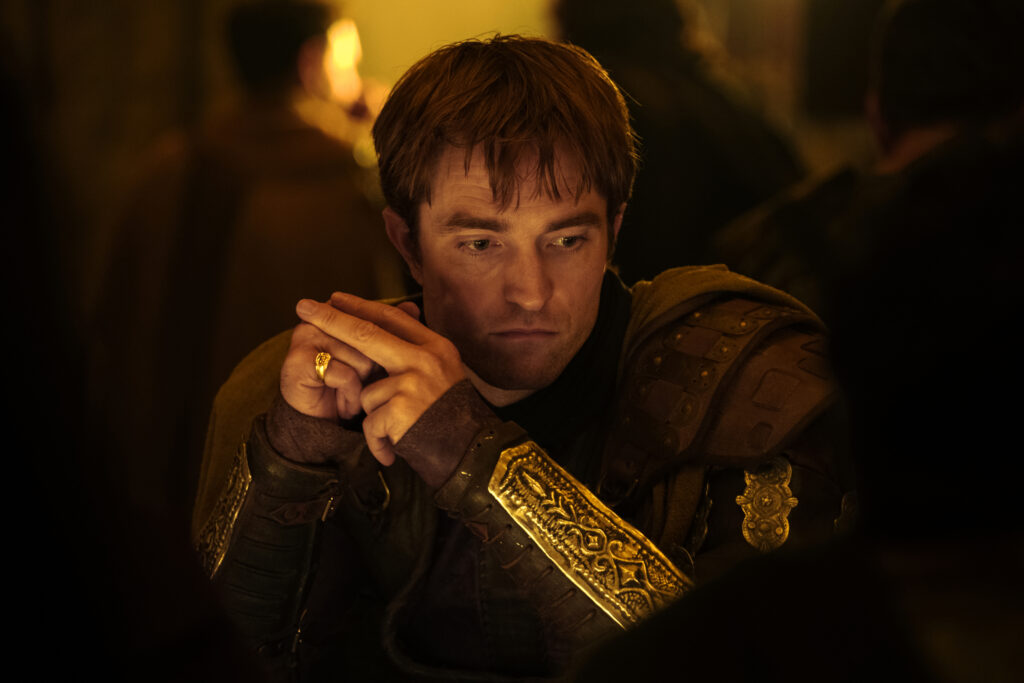
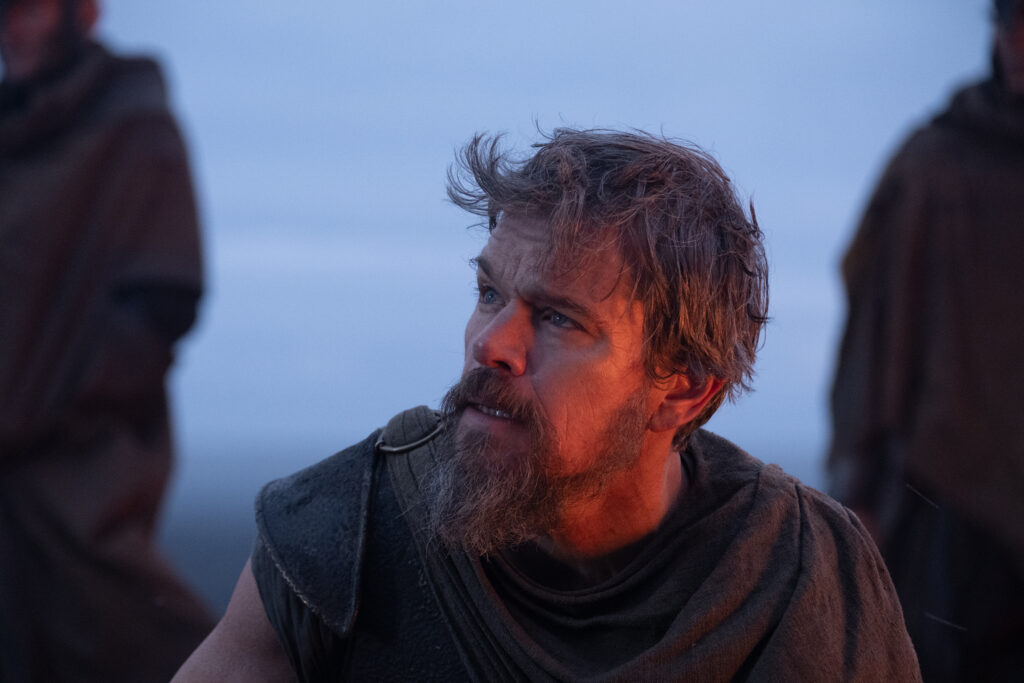
The casting is another mixed bag. Nolan brings back his tried-and-true favorites such as Matt Damon, Anne Hathaway, Robert Pattinson, and Elliot Page, to varying levels of success. Damon’s Odysseus is heroic enough, but hardly inspiring; Hatheway’s Penelope is loyal and clever, yet emotional and angry at the quagmire she’s mucked in, instead of the resilient, patient, faithful optimist that typically characterizes the queen. Page’s Sinon, a new minor character created as a stand-in for Achilles, is described as “the greatest soldier” ever known, yet the miscast Page hardly embodies or showcases the demeanor, swagger, and physique of a warrior and would have been a much better fit for the suitor Antinous.
Speaking of Antinous, Robert Pattinson shines as the rapacious, sleazy suitor, making your skin crawl every time he slinks in to woo Penelope. Samantha Morton’s portrayal of the witch and goddess Circe is the breakout performance of the film, epitomizing the ugly realism that Nolan strives for with his adaptation. Tom Holland does fine as the young prince and many times is easier to watch and root for than his parents.
The hodgepodge of races parading as Greeks is initially distracting, but you shrug it off as par for the course for Hollywood nowadays (though lines like “We’re Greeks” coming from an Indian actor make you cock your head). It seems there’s a mandate (looking at you, The Academy) that the cast of every film, whether it’s history, fiction, or modern, must reflect the demographic makeup of modern LA. While this intentional subversion worked well for Hamilton, ten years later it has lost its freshness. Your mileage may vary.
The booming percussive score by Ludwig Göransson forgoes a traditional orchestral composition for a more archaic sound. There aren’t many melodies or leitmotifs to anchor the score, so the majority of the film gives way to various speeds and intensities of the beating drums. It’s very effective during the battle scenes, but becomes grating. Also in typical Nolan fashion, the sound mix isn’t quite right as it’s difficult to hear the dialogue over the relentless score.
This version of The Odyssey waxes poetic, but never quite reaches the earnestness of the Homer’s epic poem. Virtue is replaced with realism; beauty for ugliness; the gods’ wrath for Odysseus’ internal turmoil. The first thirty minutes drag, but once our hero gets going, you hardly notice the three-hour runtime (except for a few monologues that go too long).
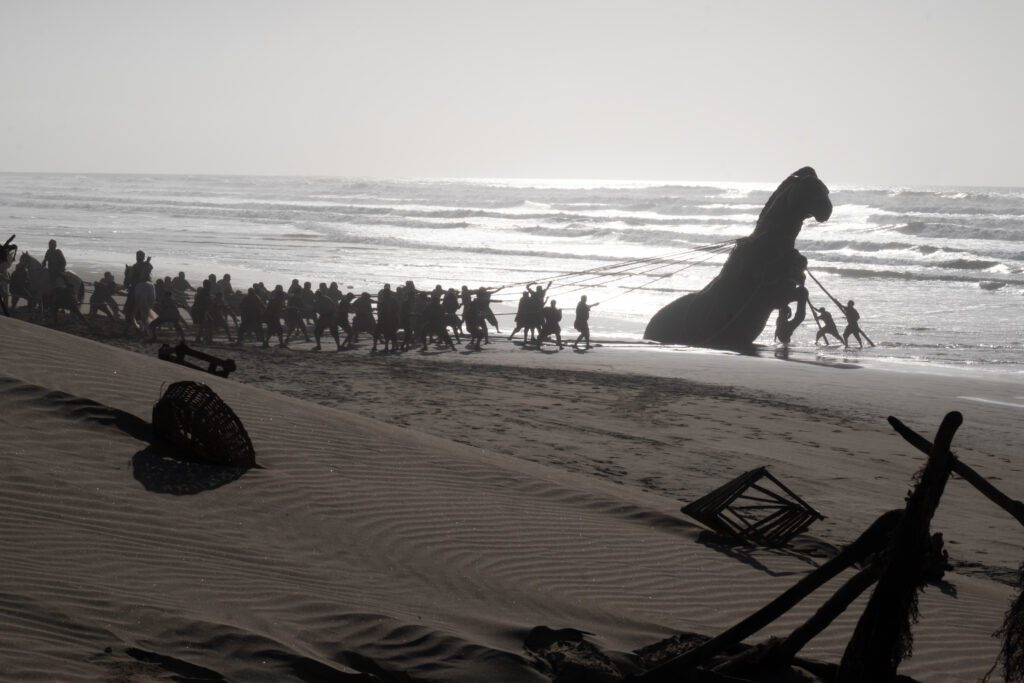
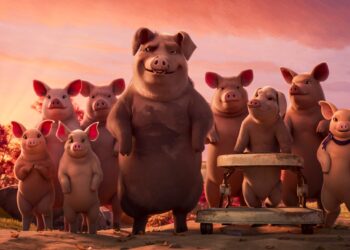
Visually, the film has a lot to offer, apart from the overall bland grey wash of the color grading. In addition to the stunning cinematography, the standout moments are the fall of Troy, the grotesque transformation of Odysseus‘s men into pigs, and the cyclops. While many of the anachronistic elements—American accents, modern jargon, plated armor, Viking ships—are easily shrugged off, there are other times where they simply feel silly, such as the Laestrygonians running around in futuristic plated armor or Agamemnon’s armor that could be one of Nolan’s leftover Batman suits.
The Odyssey generally works about 70% of the time, but it’s that remainder takes you out of the film. While this may not be your grandma’s Odyssey, this is Nolan’s Odyssey. And you can’t discredit him for taking a big swing and seeing his vision come fully to life. However, this version is unlikely to be the one the bards sing about centuries from now.
The Odyssey hits theaters on July 17, 2026.
★★★1⁄2